Lush green forest clearing with sunlight filtering through tall trees casting golden rays on ferns and mossy ground, rich natural textures
Independent Educational Resource

Exploring Nutritional Support for Men's Well-being: Essential Vitamins and Natural Compounds

This resource provides structured, evidence-informed context on the roles that vitamins, minerals, and naturally occurring compounds play within general human physiology, with particular attention to topics relevant to men's health across different life stages.

Learn More About Nutrients

The Foundation of Men's Health: A Holistic View

Understanding how the body functions requires an appreciation of the many intersecting systems that maintain equilibrium over time. For men at various life stages, the nutritional landscape plays a measurable role in supporting energy metabolism, cellular repair, immune responsiveness, and cognitive clarity.

A balanced dietary intake forms the cornerstone of physiological well-being. When dietary variety is limited, certain micronutrients may become insufficient, and the body's capacity to perform its ordinary functions can be affected. This is not a medical observation but a well-documented nutritional principle recognized by institutions such as the European Food Safety Authority (EFSA).

"Micronutrient adequacy is a foundational element of general health maintenance across all age groups, with particular implications for energy regulation and immune function."

Why Micronutrients Matter

Vitamins and minerals serve as co-factors in thousands of enzymatic reactions. Without adequate quantities, these reactions slow or become inefficient, affecting processes ranging from DNA synthesis to oxygen transport. The complexity of these interactions underscores why single-nutrient approaches rarely capture the full picture.

The Role of Natural Compounds

Beyond essential vitamins and minerals, a range of naturally occurring plant-based compounds has attracted scientific interest due to their bioactive properties. Polyphenols, alkaloids, and terpenoids found in common dietary plants have been studied in the context of general health support, though their mechanisms and practical significance vary considerably.

Approaching the Topic Responsibly

This resource does not endorse any specific dietary approach, supplement regimen, or intervention. The information presented is intended to help readers develop a more precise conceptual framework for understanding the relationship between diet, micronutrients, and men's health. Individual circumstances differ, and generalized information cannot substitute for personalized guidance.


Essential Vitamins: Roles and Sources

Several vitamins are recognized for their importance in maintaining normal physiological processes. The following summaries describe general scientific understanding of their functions.

Warm sunlight streaming through a window onto a wooden surface, casting a bright rectangle of natural light with soft shadows
Fat-Soluble

Vitamin D

Synthesized primarily through skin exposure to ultraviolet B radiation, Vitamin D functions as a precursor to a steroid hormone involved in calcium metabolism, immune regulation, and cellular differentiation. Insufficient sunlight exposure is a well-documented risk factor for inadequate Vitamin D status in northern European populations.

Dietary Sources: Fatty fish, egg yolks, fortified dairy products, sun-exposed mushrooms.

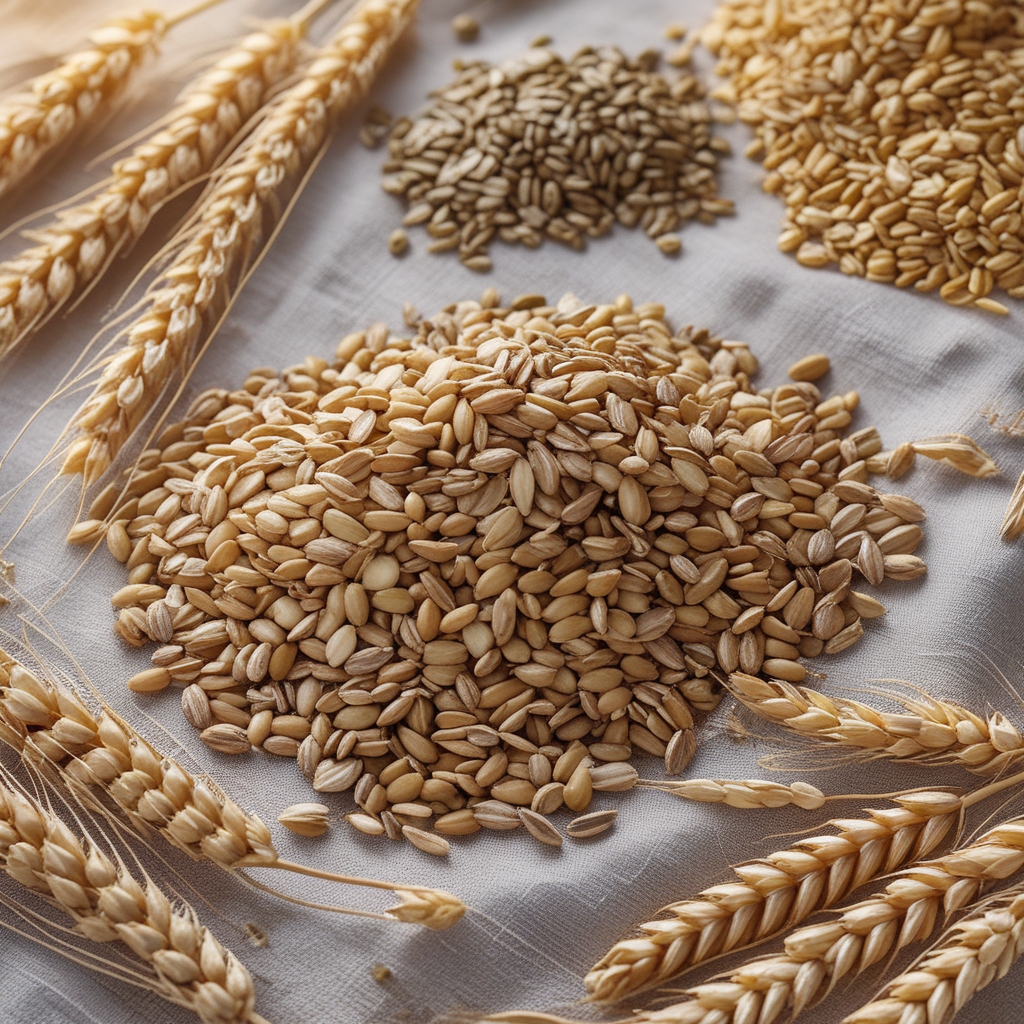
Close-up macro photograph of various whole grains and legumes including wheat berries, lentils, and sunflower seeds arranged on a natural linen surface
Water-Soluble

B-Vitamin Complex

The B vitamins — a group of eight distinct water-soluble compounds — are collectively essential for energy metabolism, red blood cell formation, and neurological function. Vitamins B6, B9 (folate), and B12 are particularly significant in the context of homocysteine metabolism, which is relevant to cardiovascular health.

Dietary Sources: Whole grains, legumes, leafy greens, animal proteins, nutritional yeast.

Freshly cut citrus fruits including oranges and lemons arranged on a white marble surface with vibrant orange and yellow flesh visible
Antioxidant

Vitamin C & E

Vitamin C (ascorbic acid) contributes to collagen synthesis, immune function, and serves as a water-soluble antioxidant. Vitamin E, a fat-soluble antioxidant, supports cell membrane integrity and contributes to immune function. Both play roles in protecting cells from oxidative stress.

Dietary Sources: Citrus fruits, peppers, berries, nuts, seeds, plant oils.

Aerial view of richly textured soil and mineral-rich earth with varied brown, ochre, and deep red tones showing natural geological patterns

Minerals for Male Vitality

Minerals are inorganic micronutrients obtained through diet. The following are frequently referenced in the context of men's health, each with specific physiological roles.

Zinc

An essential trace mineral involved in over 300 enzymatic processes, including DNA synthesis, protein metabolism, and immune cell development. Zinc is also a structural component of many proteins and is required for normal taste and smell perception.

Estimated prevalence of insufficiency in Europe: approx. 17%

Magnesium

The fourth most abundant mineral in the human body, magnesium participates in ATP production, muscle and nerve function, and the regulation of blood glucose. It acts as a co-factor in more than 600 enzymatic reactions, making dietary adequacy broadly relevant to overall metabolic health.

Average dietary intake below reference: up to 30% of adults

Selenium

A trace element that is incorporated into selenoproteins, which have antioxidant functions and contribute to thyroid hormone metabolism. Selenium status varies considerably by geographic region due to differences in soil concentration, making dietary sources or supplementation more relevant in selenium-poor areas.

EU soil selenium variance: low in northern regions
Dried botanical herbs, roots, and bark pieces arranged on aged wooden planks with sunlight illuminating their varied textures of beige, brown and grey

Natural Compounds and Their Historical Use

The use of plant-based compounds to support human well-being predates recorded history. Across diverse cultures, specific botanical materials were incorporated into daily diet or ceremonial practice based on observed associations with vitality and health. Contemporary nutritional science has begun to characterize the biochemical basis for some of these traditional uses.

  • Ancient Antiquity

    Ayurvedic Tradition

    In Indian Ayurvedic practice, adaptogenic herbs such as Ashwagandha (Withania somnifera) were systematically documented for their role in supporting overall endurance and mental clarity. Their bioactive withanolides are now studied in contemporary phytochemistry.

  • 17th – 18th Century

    European Herbal Medicine

    European herbalists systematically catalogued plants for their reputed supportive properties. Saw Palmetto (Serenoa repens), native to southeastern North America, was later noted by European settlers for its use among indigenous populations and entered European pharmacopoeias in the 19th century.

  • 19th – 20th Century

    Scientific Characterization

    The emergence of modern biochemistry enabled the isolation and identification of active compounds within plants. This period saw the characterization of alkaloids, flavonoids, and saponins, forming the basis of the phytochemistry field and enabling more precise study of plant-derived compounds.

  • Contemporary

    Integrative Research

    Current research integrates traditional knowledge with rigorous clinical methodology. Compounds such as fenugreek, ginseng, and maca are subjects of ongoing human trials examining their effects on general health markers, with results interpreted within a framework of evidence-based nutrition.

Understanding Nutrient Absorption

The effectiveness with which the body utilizes dietary nutrients depends on a range of physiological and contextual factors. Understanding these mechanisms helps explain why dietary diversity and food form can influence nutritional outcomes independently of total intake.

Ingestion

Nutrients enter the digestive system through food and are broken down by mechanical and enzymatic processes in the mouth and stomach.

Digestion

Enzymes released by the pancreas and bile from the liver emulsify fats and further break down macromolecules in the small intestine.

Absorption

Nutrients cross the intestinal epithelium via passive diffusionMovement of molecules from high to low concentration without energy expenditure. or active transport mechanisms into the bloodstream.

Utilization

Absorbed nutrients are transported to tissues where they function as co-factors, structural components, or substrates in metabolic pathways.

Factors Influencing Bioavailability

Multiple variables affect the proportion of a nutrient that is ultimately utilized. These include: the chemical form of the nutrient (e.g., haem versus non-haem iron), the presence of enhancing or inhibiting compounds in the same meal, the overall health of the gastrointestinal tract, age-related changes in digestive enzyme production, and the body's current nutritional status, which can up-regulate or down-regulate absorption efficiency.

Fat-soluble vitamins (A, D, E, K) require the presence of dietary fat for effective absorption, while water-soluble vitamins are generally absorbed more readily but are not stored and must be replenished regularly through diet. Mineral chelationThe binding of a mineral to an organic molecule, often improving its absorption in the gastrointestinal tract. is one approach used to improve mineral bioavailabilityThe fraction of a nutrient that enters the bloodstream and has an active effect. in supplemental form.

Common Misconceptions About Nutritional Support

Popular discourse around dietary supplements often contains simplified or inaccurate claims. The following table presents common misconceptions alongside what current evidence actually indicates, drawing on peer-reviewed nutritional science.

Common Misconception What Evidence Indicates
"More is always better — higher doses of vitamins produce greater benefits." Nutrient effects follow dose-response curves that plateau and can reverse. Fat-soluble vitamins accumulate and may reach toxic levels at excessive intakes. Adequate intake, not excess, is the appropriate goal.
"Natural supplements are always safe because they come from plants." Natural origin does not equate to safety. Many plant compounds interact with medications or carry risks at high doses. Safety assessment depends on chemical properties, dose, and individual health status, not the compound's origin.
"Supplements can replace a balanced diet entirely." Whole foods contain thousands of compounds that interact synergistically. Supplements can address specific gaps but do not replicate the complexity of a varied diet. Current nutritional guidelines do not support using supplements as a primary dietary strategy.
"If a supplement is sold legally, it has been proven to work." In the European Union, food supplements are regulated as food products, not medicinal preparations. Legal market access does not require proof of efficacy through clinical trials. Health claims must be authorized by EFSA, but the product itself may be sold without clinical substantiation.
"Nutrient deficiencies only affect people with poor diets." Insufficiencies can arise from malabsorption, medication interactions, reduced sun exposure (Vitamin D), specific dietary patterns (e.g., vegan diets and B12), or increased metabolic demands. Dietary quality is one factor among several.
Man walking alone along a sunlit forest path in autumn, surrounded by golden and brown fallen leaves, soft morning light through tree canopy

The Role of Diet and Lifestyle

Nutritional supplementation does not operate in isolation. Its potential relevance must always be understood within the broader context of an individual's overall lifestyle, which encompasses dietary patterns, physical activity, sleep quality, stress management, and social engagement.

European public health organizations, including the WHO Regional Office for Europe, consistently emphasize that foundational lifestyle behaviors produce the most substantial and reliable health outcomes over time. Supplementation may serve as a complementary element within an already-established healthy lifestyle, not as a substitute for it.

Sleep Quality

Adequate and consistent sleep supports hormonal regulation, immune function, and cognitive performance. Sleep duration recommendations for adults are 7–9 hours per night.

Physical Activity

Regular moderate physical activity is associated with improved cardiovascular function, metabolic health, and bone density. WHO guidelines recommend at least 150 minutes of moderate aerobic activity weekly.

Dietary Variety

Consuming a wide range of whole foods — including vegetables, legumes, whole grains, and quality proteins — remains the most evidence-supported approach to achieving micronutrient sufficiency.

Stress Regulation

Chronic psychological stress is associated with changes in cortisol levels, immune function, and metabolic processes. Mindfulness, social connection, and adequate rest contribute to overall stress management.

Frequently Asked Questions

The following questions and answers address common points of curiosity regarding vitamins, minerals, and nutritional supplements. All responses reflect current scientific understanding and do not constitute individual guidance.

Vitamins are organic compounds — meaning they contain carbon — that the body cannot synthesize in sufficient quantities on its own and must obtain through diet or sun exposure. Minerals are inorganic elements found in soil and water that are absorbed by plants and animals. Both are classified as micronutrients because they are required in relatively small amounts compared to macronutrients such as proteins, fats, and carbohydrates.
Yes. Nutrient-drug interactions are documented for several commonly used supplements. For example, Vitamin K can affect the activity of anticoagulant medications, and high-dose fish oil (omega-3) may influence platelet aggregation. St. John's Wort, a plant-derived compound, is a well-known inducer of liver enzymes that metabolize many prescription drugs. Anyone taking medication should consult a qualified healthcare professional before introducing new supplements.
In Germany and across the European Union, food supplements are regulated under Directive 2002/46/EC and implemented through national legislation. They are classified as food products, not medicinal preparations, and do not require pre-market approval or proof of efficacy through clinical trials. Manufacturers must notify authorities before placing a product on the market and must comply with compositional, labelling, and safety requirements. Health claims on supplement products must be authorized by the European Food Safety Authority (EFSA).
Bioavailability refers to the fraction of a consumed nutrient that is absorbed from the gastrointestinal tract and made available for use in the body. In practice, this means that the total amount listed on a supplement label is not necessarily the amount that reaches the bloodstream. Factors such as the form of the nutrient, the presence of enhancers or inhibitors in the diet, and the individual's digestive health all influence this figure. For example, magnesium glycinate is generally considered to have higher bioavailability than magnesium oxide, though both list similar elemental magnesium content by weight.
No. The content on Kamelo is presented for general educational purposes only. It describes population-level nutritional principles and does not account for your individual health status, age, existing conditions, current medications, dietary patterns, or any other personal factors. No content on this site should be interpreted as individual advice or guidance. For questions relevant to your specific circumstances, please consult a qualified healthcare professional such as a registered dietitian or physician.

Continue Exploring Men's Well-being

Continue your understanding of men's well-being with our structured overview of key nutrients, their roles in human physiology, and the contexts in which they have been studied.

Explore Our Insights

Information and Context Notice

All content on this site is presented for general educational and informational purposes only. The material does not constitute medical advice, individual recommendations, or guidance on specific health conditions. The diversity of individual circumstances means that no single framework applies universally. This resource does not replace the role of qualified healthcare professionals in personal health decisions. Educational content only. No promises of outcomes.